Home Improvement
Wollmatten: Why Wool Mats Deserve a Second Look

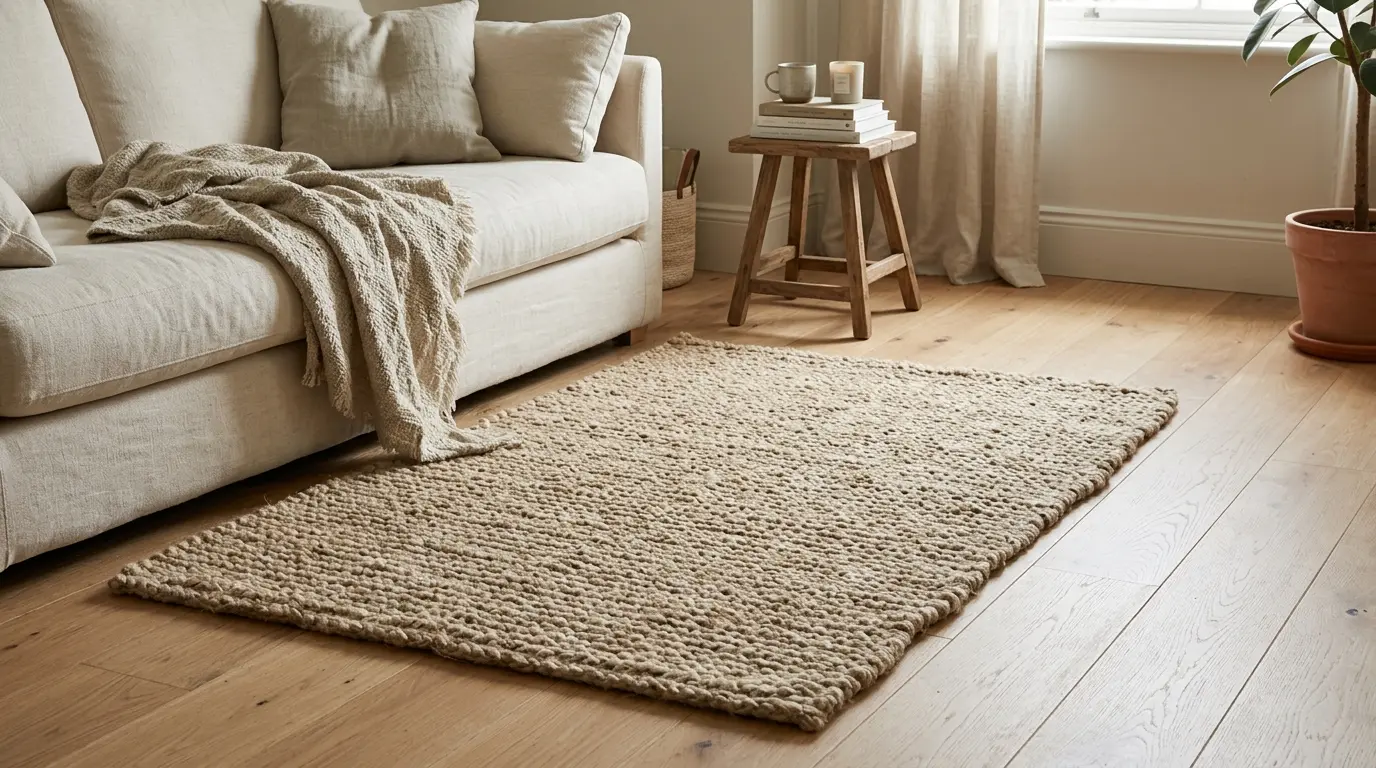
I came across the word Wollmatten while looking into natural materials for the home. It wasn’t something I had planned to write about. I was exploring one idea when another caught my attention.
Wollmatten. It sounded unfamiliar, almost like the name of a product I’d somehow missed. The meaning turned out to be much simpler: wool mats.
And honestly, I can see why the idea caught on.
A mat isn’t usually the first thing we think about when decorating a room. We notice the sofa, the lighting, perhaps the curtains. The floor covering comes later, often chosen because it matches everything else.
But materials can change the feel of a room in ways we don’t always notice straight away. Wool is a good example.
There’s More to a Wool Mat Than You Might Think
Wool has been used in homes for generations. It’s found in rugs, blankets, upholstery, and plenty of other everyday items. Yet it still feels relevant in modern interiors, where natural textures have become a way to make spaces feel less cold and carefully arranged.
Wool mats come in different forms. Some are tightly woven and fairly firm, while others have a thicker, softer surface. You can find simple neutral designs that blend into a room or more textured pieces that become a feature in their own right.
What I like about the idea is its simplicity. A wool mat doesn’t need an elaborate pattern or a bright color to make a difference. Sometimes the texture itself is enough.
Why Choose Wool Instead of Something Else?
Part of wool’s appeal comes from the way the fibers behave. They have a natural crimp that helps trap air, which contributes to insulation. That can make a wool mat feel more comfortable underfoot, especially on cold tile or wooden floors.
Wool fibers can also recover from some compression, helping a well-made mat retain its shape with regular use. How well it performs depends on the quality of the wool and the way the mat is constructed.
Then there’s the look. Wool has a natural variation in texture that can make even a plain-colored mat feel interesting. It works particularly well alongside wood, linen, and other materials that don’t have a perfectly smooth finish.
Of course, wool isn’t automatically the best choice. Some mats shed fibers, stains need prompt attention, and the material doesn’t respond well to every cleaning method.
Still, when the material suits the room, those qualities can make wool a worthwhile option.
The Part About Natural Materials That Often Gets Overlooked
It’s easy to assume that natural materials are always the more responsible choice. Wool is renewable, and untreated wool can biodegrade under suitable conditions. Those are genuine advantages.
But the full picture is a little more complicated.
Sheep farming has an environmental impact, and processing, dyeing, manufacturing, and transporting a finished mat all require resources. A wool mat isn’t automatically more sustainable than every synthetic alternative.
Longevity matters, too. A well-made mat that stays in use for years can be a sensible purchase, but only if its quality justifies the price and it suits the household.
I think that’s a more useful way to approach natural materials. Rather than buying something simply because it’s made from wool, consider whether it’s durable, practical, and likely to remain useful.
Where Wool Mats Fit Into Everyday Life
The bedroom is probably the easiest place to imagine one. A small mat beside the bed adds a softer surface underfoot, while a larger rug can help bring the furniture together.
In a living room, wool can introduce texture without making the space feel busy. A simple beige or oatmeal design works well with wooden furniture and neutral upholstery. If the room already has plenty of patterns, a plain weave can provide a little balance.
A reading corner is another possibility. A comfortable chair, a lamp, and a small wool mat can make an otherwise unused corner feel like a place worth spending time in.
But wool mats aren’t limited to indoor decorating.
Some are designed for gardens, where they can be used to cover soil, help suppress weeds, and reduce moisture loss. These products serve a different purpose from decorative rugs, so it’s important to choose one specifically made for garden use.
It’s an unexpected application, but it shows how a familiar material can be useful in more than one setting.
A Few Things Worth Checking Before You Buy
The appearance of a wool mat is one thing. Living with it is another.
If it’s going into a busy living room, a tightly woven or low-pile design may be easier to maintain than a thick, shaggy one. For a bedroom, comfort might matter more than resistance to heavy foot traffic.
Size deserves attention, too. A rug that is too small for the furniture can make a room feel disconnected, even when the color is perfect. Measure the space before ordering, and check whether the edges could catch beneath a door.
It’s also worth reading the fiber label. Some mats contain a blend of wool and synthetic fibers, which can affect their feel, performance, and care requirements.
And don’t skip the cleaning instructions. Wool can usually be maintained with regular, gentle vacuuming, but spills should be blotted rather than rubbed. Avoid soaking the mat, and check the manufacturer’s advice before using cleaning products.
For entrances, bathrooms, and other damp areas, another material may simply be more practical. Wool is not waterproof, and a mat that stays damp can develop problems.
These details aren’t particularly exciting, but they’re the ones that help you choose something you’ll still be happy with later.
So, Is a Wool Mat Worth It?
I think the appeal of Wollmatten lies in the fact that it’s a fairly ordinary idea with several useful possibilities.
Wool can bring warmth and texture to a room without demanding much attention. It can work with traditional furniture or modern interiors, and a well-made mat may remain useful for years.
That doesn’t mean every home needs one. If easy machine washing is a priority, or if the mat will be exposed to regular moisture, a different material could be a better fit.
But if you enjoy natural textures and prefer home accessories that serve a clear purpose, wool is worth considering.
Sometimes, the most interesting decorating ideas aren’t dramatic changes or expensive additions. They’re small choices that make an everyday space feel a little more comfortable.
And a simple wool mat can be one of them.
Conclusion
Wollmatten is a simple word for an everyday household item, but wool mats offer more to consider than their name suggests.
They can add warmth, texture, and a natural finish to a room without requiring bold colors or elaborate designs. Depending on their construction, they can work in bedrooms, living areas, and other parts of the home where comfort and appearance matter.
They aren’t the right choice for every space. Moisture, cleaning needs, pets, and the cost of a well-made product can all influence the decision. And while wool has some environmental advantages, the full impact depends on more than the material alone.
The best reason to consider a wool mat is straightforward: it suits the space, serves a useful purpose, and is made well enough to remain part of the home for years.
Sometimes, a small change in texture can do more for a room than another decorative accessory.
Frequently Asked Questions
What does Wollmatten mean?
Wollmatten is a German word for wool mats. It can refer to different types of mats made from wool, including woven and felted designs.
Are wool mats suitable for modern homes?
Yes. Simple designs, neutral colors, and natural textures can work well in contemporary interiors as well as traditional spaces.
Do wool mats require special care?
Care requirements vary by product. Regular vacuuming and prompt attention to spills are useful, but always follow the manufacturer’s cleaning instructions.
Can wool mats be used in gardens?
Some wool mats are made specifically for gardening. They can help cover soil and suppress weeds, but ordinary indoor wool rugs aren’t necessarily suitable for outdoor use.
Are wool mats environmentally friendly?
Wool is a renewable natural fiber, but its overall environmental impact depends on farming, processing, transportation, durability, and disposal. The material alone doesn’t determine how sustainable a product is.
Are wool mats suitable for homes with pets?
They can be, but the weave and pile matter. A tightly woven mat may be easier to maintain than a loose, thick design. Pet accidents should be cleaned promptly, and claws can catch on some surfaces.